

Integrating Psychiatric Medication Management with Faith-Based Therapy
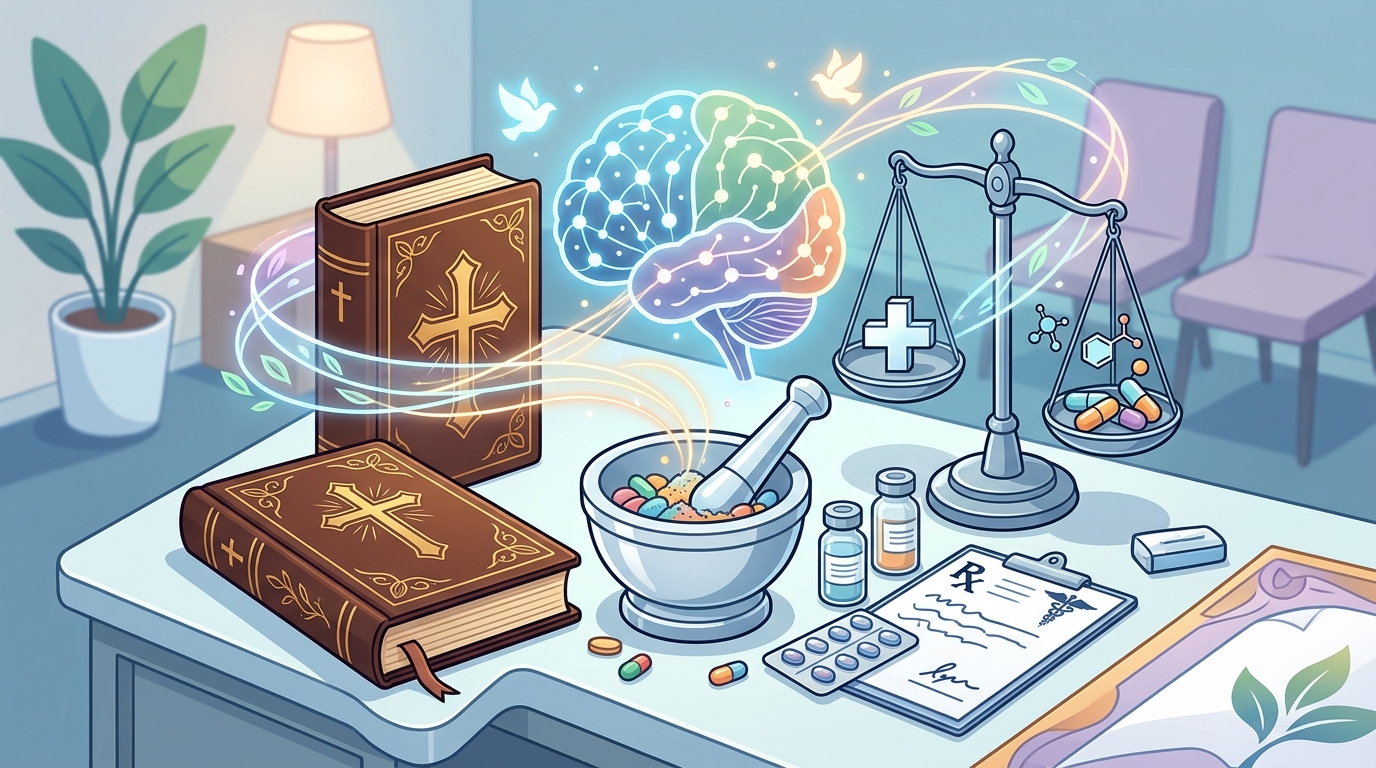
Psychiatric medication management is a clinical process where a provider prescribes and monitors medication to restore physiological balance in the brain. At LifeCare Counseling and Psychiatry, this medical approach works alongside faith-based therapy to address the whole person. This dual strategy ensures that biological needs are met while spiritual and emotional healing occurs simultaneously, providing a comprehensive path to wellness for individuals and families in North Carolina. according to Outpatient Psychiatric Care For additional details, review the lifecarecc com.
The Clinical Foundation of Medication Management
Medication management is the ongoing process of prescribing, adjusting, and monitoring psychiatric medications to treat mental health conditions. It is not a one-time event but a continuous partnership between the patient and the provider. The goal is to correct physiological imbalances that may hinder a person's ability to function, think clearly, or feel stable. For additional details, review the Frequently Asked Questions.
At LifeCare, our psychiatric team utilizes comprehensive evaluations to determine the best treatment choices. This often involves assessing genetic factors that influence how a patient metabolizes specific medications. By understanding these biological markers, providers can select treatments that are more likely to be effective with fewer side effects. This precision helps restore the brain's natural functioning, creating a stable foundation for further therapeutic work. For additional details, review the About.
For many patients, medication is the first step in stabilizing their mental state. When the brain is chemically balanced, individuals are better able to engage in therapy, process emotions, and apply coping strategies. This clinical stability is essential for long-term recovery and prevents the cycle of relapse that can occur when biological factors are ignored.
Integrating Faith-Based Therapeutic Approaches
Faith-based therapy is a counseling approach that integrates spiritual beliefs and practices with evidence-based psychological techniques. It is a method that honors the patient's worldview while addressing mental health challenges. This approach recognizes that healing often involves the body, mind, and soul, not just the brain.
The combination of medical and spiritual care addresses the root causes of distress. While medication may manage symptoms, therapy helps patients understand and process the underlying issues. This dual approach ensures that patients are not just managing their condition but are actively growing in resilience and spiritual depth. It provides a comprehensive framework for healing that respects the patient's values and beliefs.
Specialized Care for Children and Teens in Wake Forest
Counseling for children and teens is a specialized service offered by LifeCare in Wake Forest, North Carolina. This service is designed to help young people navigate life's changes and challenges with the support of their families. Parents and guardians play a vital role in this process, helping to recognize emotions and understand the meaning behind their children's behaviors.
The approach for youth focuses on building coping skills and emotional regulation. Medication can help reduce symptoms of anxiety or depression, allowing teens to engage more fully in therapy. Therapists then work with the teen to develop strategies for managing stress, improving relationships, and building self-esteem. This comprehensive care helps young people in Wake Forest and surrounding areas to thrive during their formative years.
The Coordinated Care Team Model
The coordinated care team model is a system where psychiatrists and therapists work together to address the whole person. This model ensures that all aspects of a patient's treatment are aligned and supportive of one another. It prevents the fragmentation of care that can occur when medical and therapeutic services are provided in isolation.
At LifeCare, the psychiatric and therapy teams collaborate closely to bring healing to the body, mind, and soul. This collaboration allows for a more nuanced understanding of the patient's needs. For instance, if a patient is not responding to a particular medication, the psychiatrist can discuss this with the therapist, who may provide insights into the patient's daily functioning and emotional state. This shared perspective helps in making informed adjustments to the treatment plan.
This team-based approach also facilitates communication between the patient and their providers. Patients feel supported by a unified team that is invested in their overall well-being. This sense of continuity and collaboration can improve treatment adherence and outcomes. It ensures that the patient's experience is seamless and that all aspects of their care are working together towards the same goal of recovery.
Key Takeaways
- Medication management is a clinical process that restores physiological balance in the brain, creating a stable foundation for therapy.
- Faith-based therapy integrates spiritual beliefs with evidence-based techniques to address the body, mind, and soul.
- Specialized care for children and teens in Wake Forest, NC, involves close collaboration between families, therapists, and psychiatrists.
- Genetic testing and comprehensive evaluations help determine the most effective medication choices for individual patients.
- The combination of medical and spiritual care addresses both the symptoms and the root causes of mental health challenges.
- A unified treatment team ensures that all aspects of care are aligned, improving adherence and long-term outcomes.
Frequently Asked Questions
How does medication management differ from therapy?
Medication management focuses on correcting physiological imbalances in the brain, while therapy addresses emotional, behavioral, and spiritual aspects of mental health. Both are complementary and often work best when used together.
Is faith-based therapy suitable for all patients?
How does LifeCare care for children and teens in Wake Forest?
LifeCare provides specialized counseling for children and teens in Wake Forest, involving parents and guardians in the process. The team coordinates between therapy and psychiatry to ensure comprehensive care for young people.
What is the role of genetic testing in medication management?
Genetic testing helps determine how a patient metabolizes specific medications, allowing providers to choose treatments that are more likely to be effective with fewer side effects.
Can medication and faith-based therapy be used together?
Yes, LifeCare integrates medication management with faith-based therapy to address the whole person. This dual approach ensures that biological, emotional, and spiritual needs are all met.
How does the coordinated care team model work?
The coordinated care team model involves psychiatrists and therapists working together to align all aspects of a patient's treatment. This collaboration ensures that the treatment plan is consistent and effective.
What are the benefits of a holistic approach to mental health care?
A holistic approach addresses the body, mind, and soul, providing a comprehensive framework for healing. It helps patients find meaning in their recovery and build resilience for the long term.How do I get started with LifeCare's services?
You can contact LifeCare Counseling and Psychiatry to schedule an initial consultation. The team will work with you to develop a personalized treatment plan that meets your specific needs. Learn more: lifecarecc com.