

The Clinical Foundation of Faith-Integrated Care
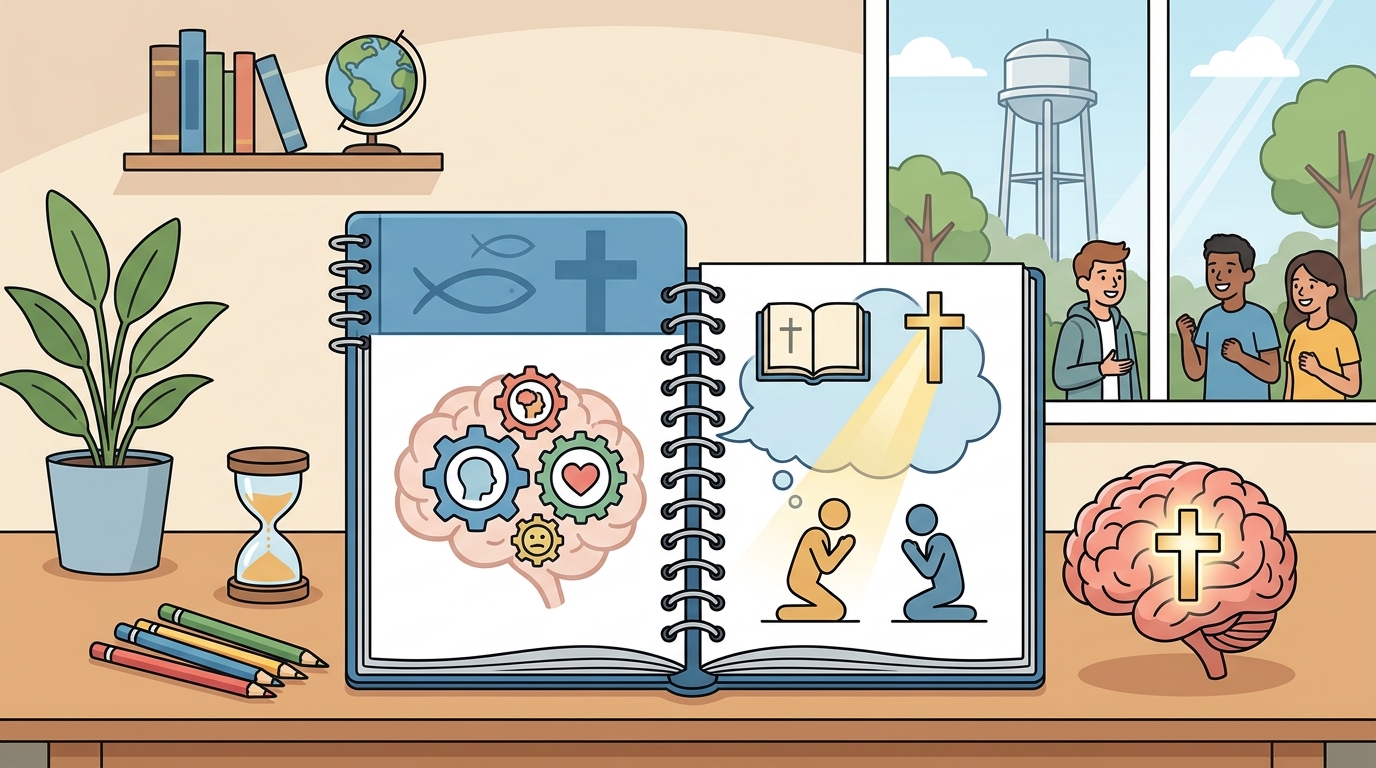
Effective depression treatment relies on established clinical methodologies that have been rigorously tested and validated. Cognitive Behavioral Therapy (CBT) is a primary evidence-based treatment that helps individuals identify and modify negative thought patterns. When combined with faith, these clinical tools are not replaced but enriched by spiritual reflection. This integration ensures that the treatment addresses both the physiological and psychological aspects of depression. For example, a therapist might use CBT to challenge a belief of worthlessness while simultaneously exploring the theological concept of unconditional divine love. This dual approach provides a robust framework for recovery that respects the patient's worldview.
Addressing the Whole Person: Mind, Body, and Soul
Christian counseling operates on the premise that a person is a unified whole, not a collection of separate parts. This perspective influences how depression is understood and treated. The brain is an organ where specialized treatment and medications may be needed to help restore physiological balance and correct functioning. LifeCare Counseling and Psychiatry emphasizes that psychiatric and therapy teams work together to address the whole person. This collaborative model ensures that medication management, if necessary, is coordinated with therapeutic and spiritual support. For children and teens in Wake Forest, NC, this holistic view is particularly important as they navigate developmental changes. It helps them understand that their struggles are not just chemical imbalances but also involve their emotional and spiritual development.
Faith-Based Strategies for Healing and Purpose
Supporting Children and Teens in Wake Forest, NC
Adolescence is a critical period for mental health, and depression can have profound effects on a young person's development. In Wake Forest, NC, families seeking help for their children and teens can benefit from specialized faith-based counseling. Therapy and counseling for children and teens at LifeCare Counseling and Psychiatry is designed to be age-appropriate and sensitive to the unique challenges of this life stage. Parents or guardians are a vital piece in the process of recognizing emotions and understanding the meaning behind behaviors in their children. By involving the family in the treatment process, therapists can create a supportive home environment that reinforces the progress made in sessions. This approach is especially relevant for teens in Wake Forest, NC, who may be navigating academic pressures, social dynamics, and identity formation.
Building a Supportive Community and Ongoing Care
Key Takeaways
- Depression treatment combined with Christian faith principles is a holistic approach that integrates evidence-based therapies with spiritual practices.
- Cognitive Behavioral Therapy (CBT) is a primary evidence-based treatment that can be enriched by spiritual reflection.
- The brain is an organ where specialized treatment and medications may be needed to help restore physiological balance and correct functioning.
- Faith-based strategies such as prayer and scripture study can provide a sense of connection, hope, and meaning.
- Therapy and counseling for children and teens in Wake Forest, NC, is designed to be age-appropriate and sensitive to developmental challenges.
- Parents or guardians are a vital piece in the process of recognizing emotions and understanding the meaning behind behaviors in their children.
Frequently Asked Questions
Is faith-based counseling effective for treating depression?
Yes, faith-based counseling can be effective for treating depression, especially for individuals whose beliefs are central to their identity. It integrates evidence-based therapies with spiritual practices, providing a holistic approach to healing.
How does LifeCare Counseling and Psychiatry combine faith with clinical treatment?
LifeCare Counseling and Psychiatry combines faith with clinical treatment by having psychiatric and therapy teams work together to address the whole person. This ensures that medication management, if necessary, is coordinated with therapeutic and spiritual support.
What role do parents play in a child's depression treatment?
Parents or guardians are a vital piece in the process of recognizing emotions and understanding the meaning behind behaviors in their children. Their involvement helps create a supportive home environment that reinforces the progress made in therapy sessions.
Can faith-based counseling help with anxiety as well as depression?
Yes, faith-based counseling can help with both anxiety and depression. It provides tools for managing stress and fear, such as prayer and scripture study, which can complement clinical interventions.
Is telehealth available for faith-based counseling in North Carolina?
How long does depression treatment typically take?
The duration of depression treatment varies depending on the individual's specific needs and the severity of their symptoms. Some people may see improvement in a few weeks, while others may require longer-term care.
What is the difference between faith-based counseling and secular therapy?
Faith-based counseling integrates spiritual practices and beliefs into the therapeutic process, while secular therapy focuses solely on psychological and behavioral techniques. Both approaches can be effective, but faith-based counseling may be a better fit for individuals who want their treatment to align with their religious values. Learn more: lifecarecc com.