
What to Know About Finding a Spanish-Speaking Therapist in Holly Springs
Why Language Proficiency Matters in Therapy
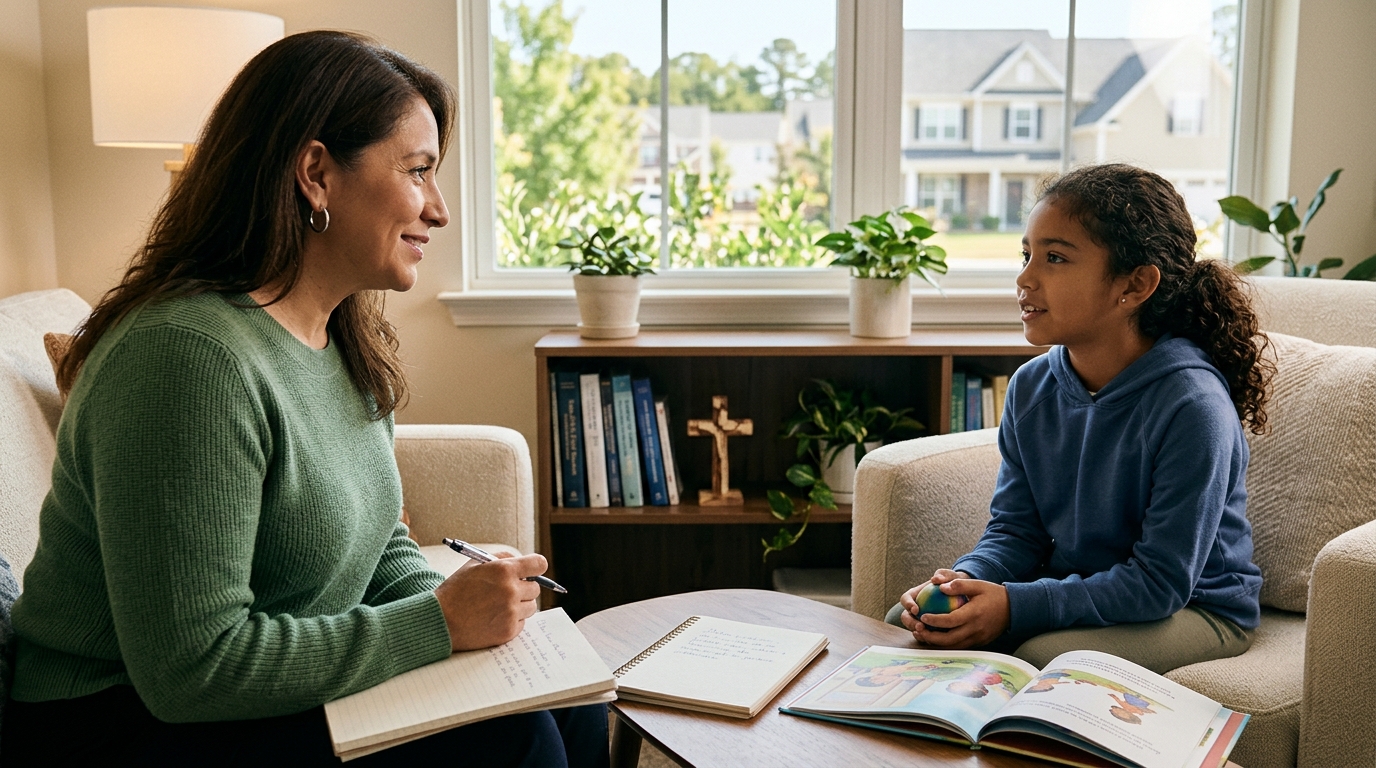
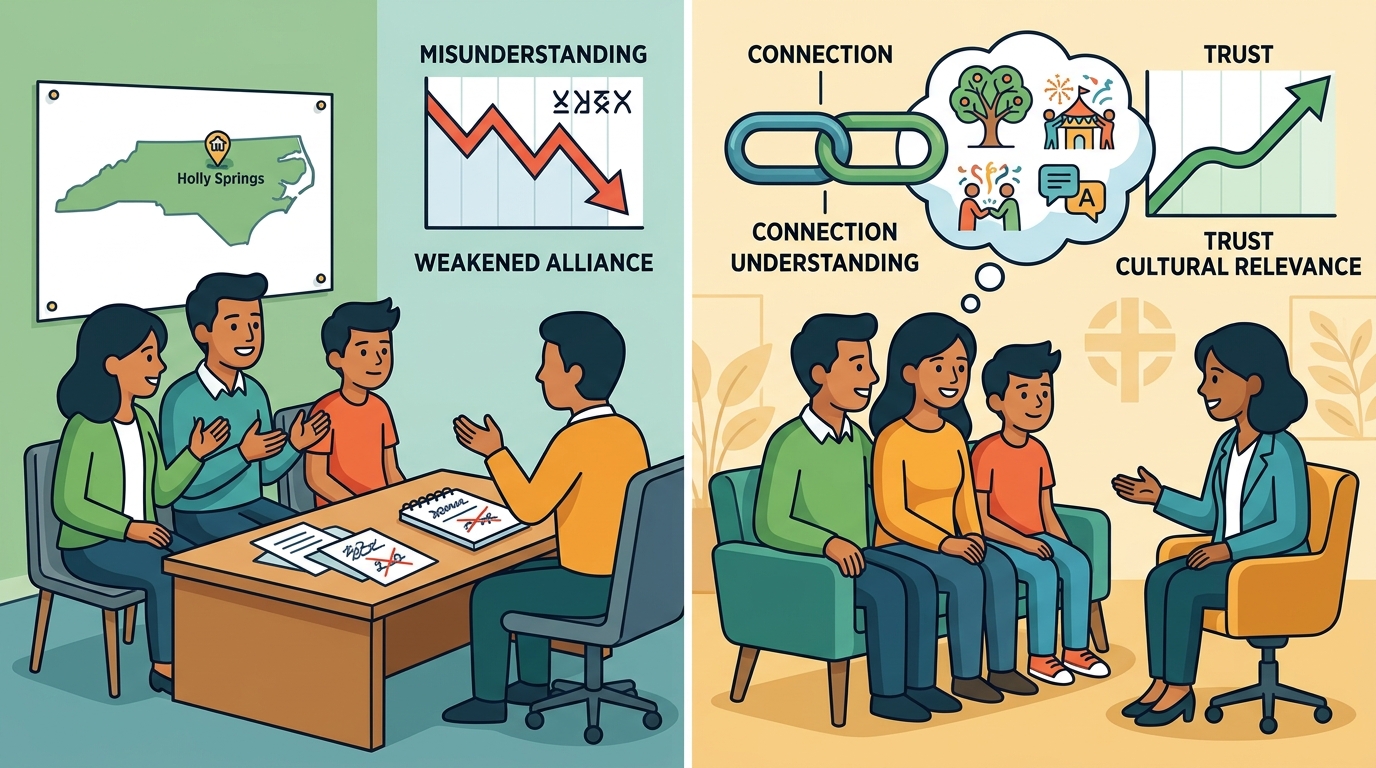
Effective therapy relies on deep emotional connection and precise communication. When a client must rely on a third-party interpreter, the therapeutic alliance can be weakened. A bilingual therapist is a clinician who has undergone specific training to understand the cultural context behind language. This is particularly important for children and teens, who may express distress through behaviors that are culturally specific. In the Wake Forest and Holly Springs communities, many families value the ability to discuss sensitive topics in their home language. This direct communication helps build trust faster and allows for more accurate assessment of mental health conditions.
Identifying Bilingual Providers in the Triangle Area
Considerations for Children and Teens in Wake Forest
Questions to Ask During the Initial Consultation
The initial consultation is the best opportunity to assess a therapist's bilingual capabilities. You should ask specific questions about their experience with Spanish-speaking clients. For example, you can ask if they have worked with clients from specific cultural backgrounds relevant to your family. It is also helpful to ask about their approach to integrating faith and culture into the therapeutic process. LifeCare Counseling and Psychiatry emphasizes a faith-based approach, combining evidence-based methodologies with spiritual support. This holistic perspective can be a strong fit for families who value their religious beliefs. During the consultation, pay attention to how the therapist responds to questions in Spanish. Their comfort level and clarity will give you a clear indication of their proficiency.
Accessing Telehealth Services for Bilingual Care
Key Takeaways
- A therapist who speaks Spanish is a clinician who provides services in the client's native language to enhance communication.
- Language proficiency is crucial for building trust and ensuring accurate assessment in therapy.
- The Research Triangle area has a growing number of bilingual providers, but verification of clinical proficiency is necessary.
- For children and teens in Wake Forest, finding a provider experienced with bilingual youth is essential.
- Telehealth services expand access to specialized bilingual care beyond local geographic limits.
- Asking specific questions during the initial consultation helps assess a therapist's cultural and linguistic competence.
Frequently Asked Questions
Does LifeCare Counseling and Psychiatry offer services in Spanish?
How can I find a bilingual therapist in Holly Springs, NC?
You can search for mental health providers in the Research Triangle area who list Spanish as a service language. It is important to verify their clinical proficiency during an initial consultation. Additionally, telehealth services from practices like LifeCare Counseling and Psychiatry can provide access to bilingual providers throughout North Carolina. according to Echinacea What Should
Is telehealth effective for children and teens?
Yes, telehealth can be an effective method for delivering therapy to children and teens. It provides a secure and convenient way to access care from home. For families in Wake Forest, this option allows them to connect with specialized providers who may not be located locally.
What is a faith-based counseling approach?
How do I know if a therapist is culturally competent?
Cultural competence in therapy involves understanding and respecting the client's cultural background. You can assess this by asking about the therapist's experience with clients from your specific cultural and linguistic background. Their ability to discuss cultural nuances and their training in multicultural counseling are key indicators. Learn more: lifecarecc com.